What is Danshari?
Danshari (断捨離) is a Japanese lifestyle philosophy built on three kanji: Dan (refuse what you don't need), Sha (discard what you don't use), and Ri (separate from attachment to things).
Unlike simple tidying methods, Danshari treats every object as a relationship. It asks you to be intentional about what you bring into your home — and equally intentional about what you release.
In this magazine, we explore how to practice Danshari in practical, affordable ways using everyday storage tools from Japan's beloved 100-yen shops: Daiso and Seria.
Learn More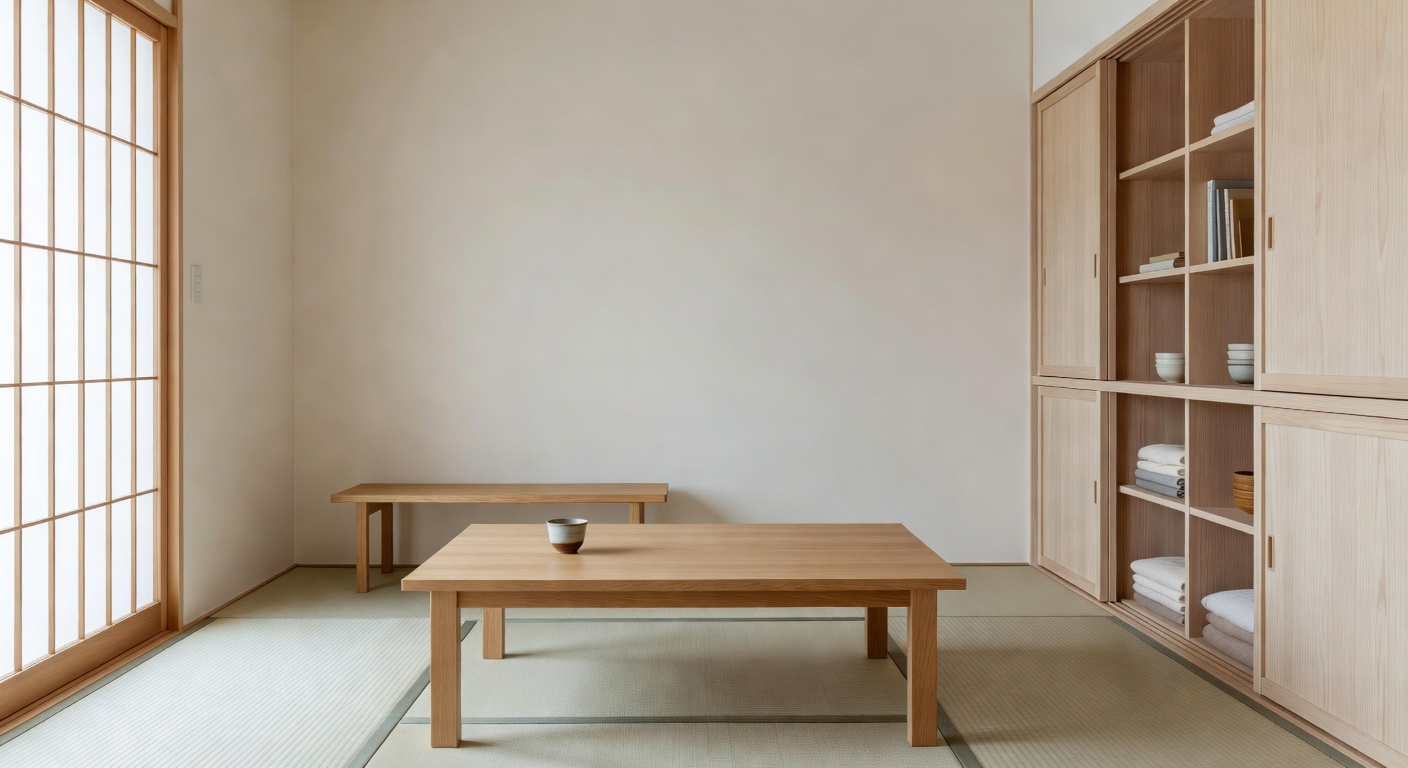
A serene minimalist space — the result of practicing Danshari consistently.
The Three Pillars of Danshari
Dan — Refuse
Stop letting unnecessary items into your home in the first place. Be mindful before every purchase. Ask: "Do I truly need this? Does it add value to my life?"
Sha — Discard
Release objects that no longer serve you. This isn't about waste — it's about returning each item to circulation where it may be useful to someone else.
Ri — Detach
Cultivate emotional detachment from possessions. Freedom comes not from owning things, but from no longer being controlled by them.
"Your home is a mirror of your mind. When you clear the clutter, you clear the noise — and suddenly, you can hear yourself think again."— Realm Surge Grid Editorial Team
Latest Guides
Wardrobe
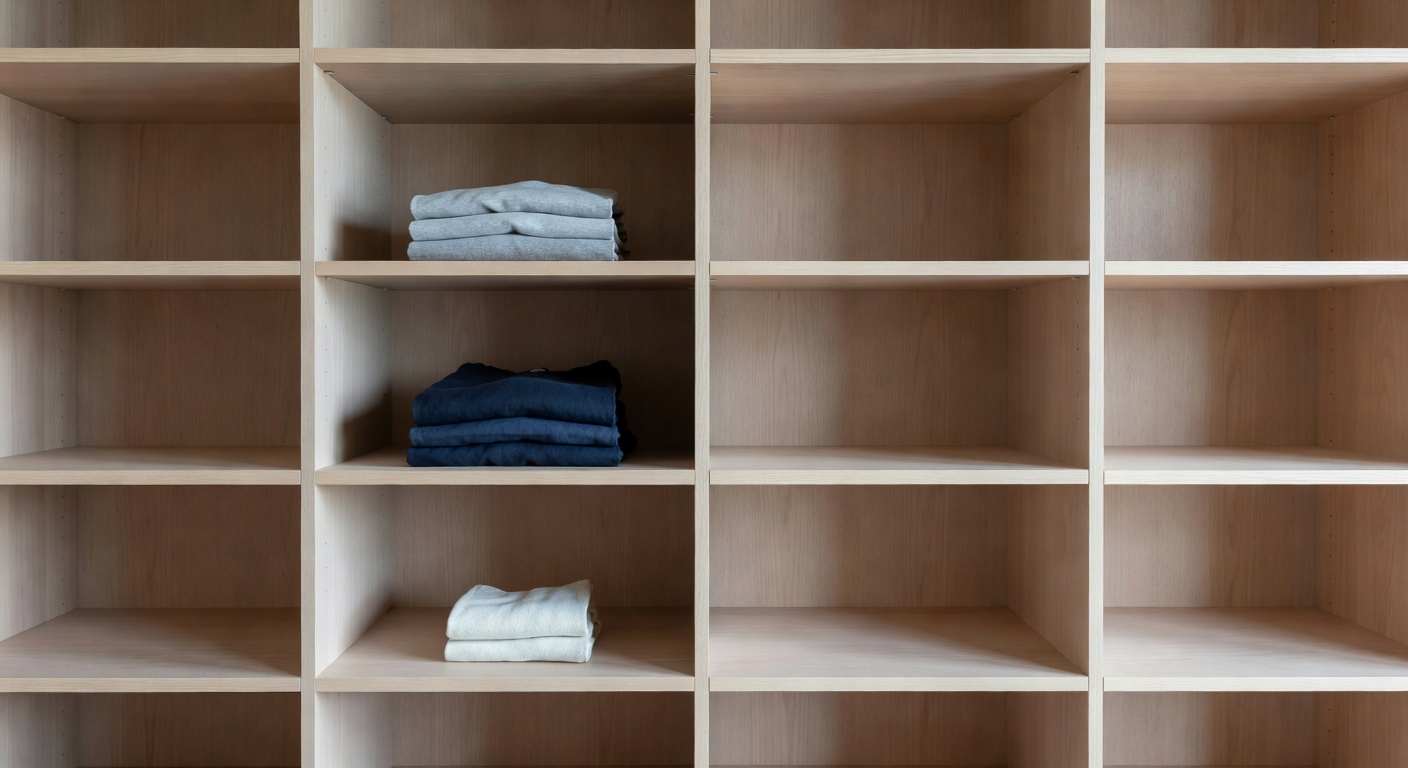
Building a Minimalist Wardrobe with Danshari
Your closet tells the story of every impulse buy and forgotten trend. Here's how to write a cleaner chapter — one garment at a time.
Read Guide →Storage Systems
Daiso Grid Panels: The ¥110 Closet Revolution
How Japan's most beloved 100-yen store is quietly solving storage problems in millions of apartments across the country.
Read Guide →5 Quick Danshari Wins This Weekend
You don't need to overhaul your entire home in one afternoon. Danshari is a practice, not a project. Start with these five quick wins to build momentum and feel the immediate lightness of a cleared space.
- The One-Box Rule: Gather one cardboard box and walk through your home. Place anything you haven't touched in 6 months inside. Donate, recycle, or dispose of the contents by week's end.
- The Entrance Edit: Your genkan (entrance) sets the tone for everything inside. Clear it to only essential shoes, an umbrella hook, and one small tray for keys.
- Duplicate Removal: You only need one good chef's knife, two sets of bed linen, and one set of measuring cups. Identify and remove all duplicates.
- The Emotional Objects Check: For items held for sentimental reasons only — ask honestly: "Does keeping this make me happy today, or am I simply afraid to let go?"
- Label Everything: After decluttering, label your storage boxes and baskets. Labels prevent re-accumulation by forcing you to be intentional about what belongs where.